My Rich Culture
HBCU CREW - Limited Edition
HBCU CREW - Limited Edition
Couldn't load pickup availability
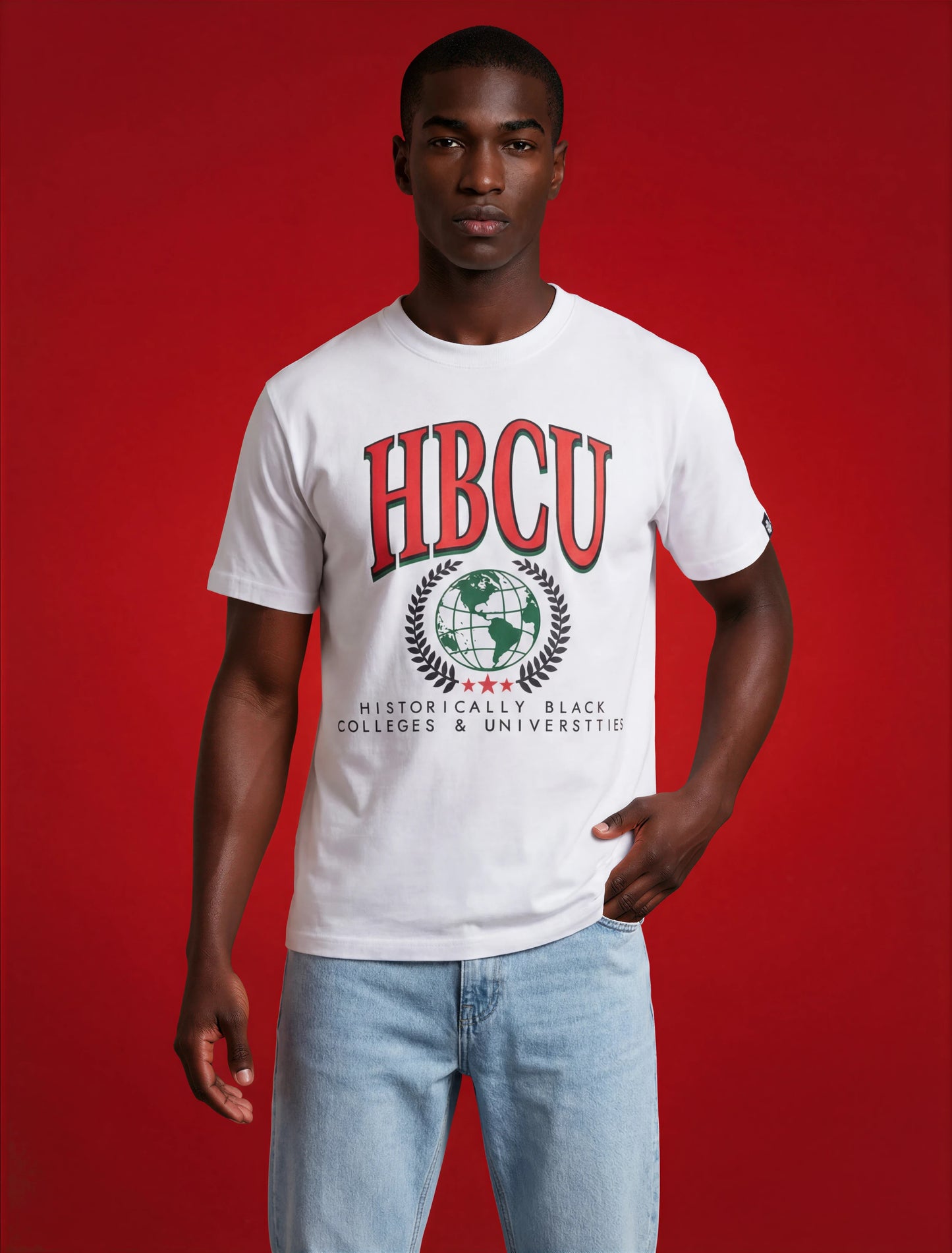
Celebrate and honor the excellence of Historical Black Colleges and Universities with pride and style. These institutions have shaped leaders, innovators, and changemakers who've left their mark on the world. Wear your HBCU legacy with confidence in this premium, one-of-a-kind crew that tells a story of resilience, achievement, and cultural pride.
Material Specs:
- 6.1 oz
- 100% soft ring-spun cotton
- Garment-dyed for that vintage, faded look
- Relaxed fit
- Size up for that oversized fit
- Unisex
Print Color: Red, Green and Black ( Pan African Flag Colors)
HBCU History:
Historically Black Colleges and Universities (HBCUs) have been at the center of the American story for over 180 years. The first HBCUs were established to educate the children of formerly enslaved people and train them to teach other Black Americans.
The first colleges for African Americans were established largely through the efforts of black churches with the support of the American Missionary Association and the Freedmen’s Bureau. The second Morrill Act of 1890 required states—especially former Confederate states—to provide land-grants for institutions for black students if admission was not allowed elsewhere. As a result, many Historically Black Colleges and Universities (HBCUs) were founded.
Because HBCUs were the only schools available to most Black Americans, they often provided primary, secondary, and postsecondary education.
From the late 1800s to the late 1900s, HBCUs thrived and provided refuge from laws and public policy that prohibited Black Americans from attending most colleges and universities.
Before higher education was desegregated in the 1950s and 60s, almost all Black college students enrolled at HBCUs.
Legal segregation had prevented Black Americans from attending college in the South, and quotas limited the number of Black students that could attend college in the North.
Today, all 100+ HBCUs across the United States continue to play a vital role in America's prosperity — academically, socially, and economically.
Share